
Pond Digging & Dam Repair in Opelika, AL
Custom pond excavation and dam repair services in Opelika for livestock, recreation, and land management that works season after season.
A pond that loses water during dry months or a dam that develops visible cracks and soft spots creates problems for farms, ranches, and properties that rely on water retention. In Opelika, where soil composition and rainfall patterns affect how well a pond holds water, the excavation depth, dam compaction, and spillway design all determine whether your pond performs the way it should. Whether you are digging a new pond for livestock or repairing a dam that has started to erode, the work needs to account for how water moves through your property.
158 Earthworkz & Brush Cutting provides custom pond excavation for recreation, livestock use, and land management across Opelika. The crew shapes the pond to the correct depth, builds or repairs dams to prevent leaks and erosion, and uses safe earthmoving practices to protect surrounding areas. Every project is planned around your water source, soil type, and intended use.
If your property needs a new pond dug or an existing dam repaired, contact 158 Earthworkz & Brush Cutting to schedule a site assessment in Opelika.
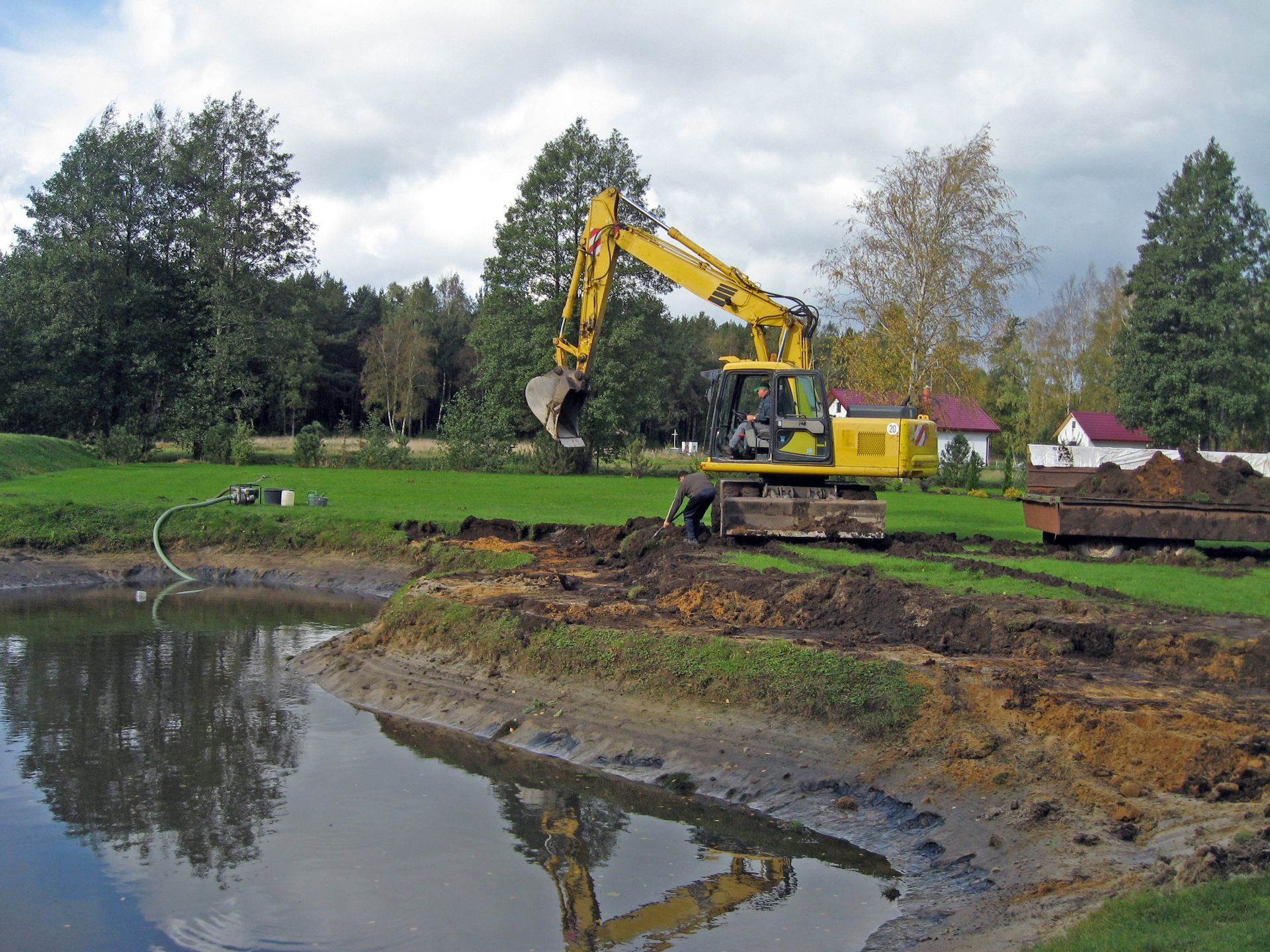
What Goes Into Building or Repairing a Pond
Pond excavation starts with identifying the low point on your property and testing the soil to confirm it will hold water. In Opelika, this often means working with clay-based soils that retain moisture well but require proper compaction to prevent erosion. The pond is dug to the depth and shape that matches your water volume needs, and the dam is built with compacted layers that create a watertight barrier.
After the pond is complete, you will notice that water collects and stays at the intended level, livestock can access the pond without causing bank erosion, and the dam remains stable during heavy rain. Dam repairs address cracks, soft spots, and erosion channels by adding compacted fill and reshaping the slope to redirect water safely through a spillway.
The crew handles all excavation, shaping, and dam construction as part of the same project. This does not include stocking fish, installing aeration systems, or adding fencing around the pond perimeter. The final result is a functional water feature that supports your land management goals and performs reliably through wet and dry seasons.
Most Questions About Ponds Come Down to Water and Soil
Property owners in Opelika often ask about pond depth, dam stability, and how long it takes for a new pond to fill. These answers cover the practical details that come up before excavation begins.
158 Earthworkz & Brush Cutting has worked on livestock ponds, recreation ponds, and water retention projects across farms and private properties in Opelika, and every project starts with a site visit to assess terrain, water sources, and soil conditions. If you are planning a new pond or need to repair a failing dam, reach out to discuss your property and get a detailed estimate.